

Wearable AI is no longer an idea for the future. It is here, and it is changing how people capture, connect, and experience the world. Fansee AI Glasses, available through Rupt, represent this shift. Designed to work seamlessly within your daily life, Fansee brings powerful technology into a form that feels natural and effortless.
Capture Life From Your Perspective

Fansee AI Glasses make it possible to capture moments instantly with a built in 8MP camera. Photos and videos are recorded from your point of view, creating content that feels authentic and immersive. With 16GB of built in memory, you can store your experiences directly on the device, while AI image recognition adds an extra layer of intelligence to what you see.
This hands free functionality allows you to stay present while still documenting what matters, whether you are traveling, creating content, or simply going about your day.
Stay Connected Without Slowing Down

Fansee is designed to do more than capture. Built-in speakers let you listen to music or take calls directly from your glasses, while the ENC noise cancelling microphone ensures clear communication wherever you are. With a four hour battery life and the ability to connect to music streaming services, Fansee keeps up with your routine without interruption.
Everything is built into one streamlined device, reducing the need for multiple accessories and making technology feel more integrated than ever.
Designed for Impact Beyond the Product

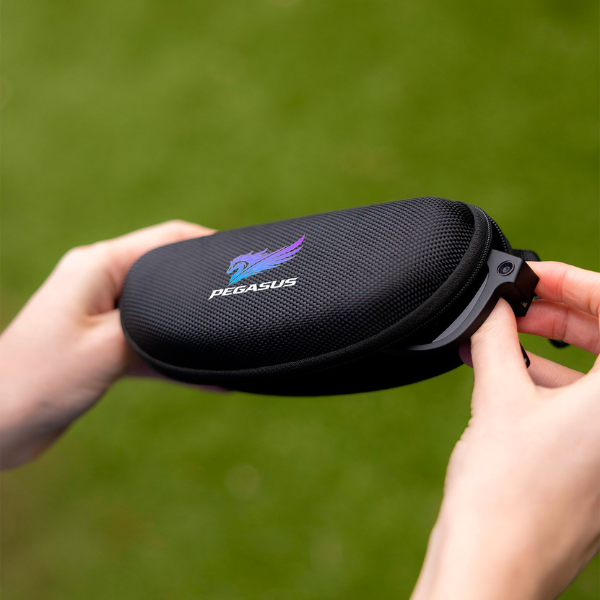
Fansee also delivers when it comes to design and presentation. The multifunctional case features full digital imprint capability and transforms into a business card holder, extending its purpose long after unboxing. It is a thoughtful detail that turns packaging into a lasting brand experience.
Fansee AI Glasses represent a new direction for technology. More personal. More wearable. More connected to real life. Instead of reaching for your phone, you simply see, capture, and experience.
That is why Fansee is not just keeping up with the future. It is helping define it.
Share:
Meet the Future: New Tech Arrivals Built for Everyday Impact
Brand Without Borders: How Global Shipping Is Expanding What’s Possible for Rupt