

The promotional products industry is entering a new era. As brands look ahead to 2026, the focus is shifting away from excess and toward intention. The result is a growing demand for swag that is smarter, more sustainable, and designed to last. This is not a passing trend. It is becoming the new standard.
For distributors and their clients, 2026 represents an opportunity to elevate branded merchandise while aligning with values that matter. Sustainability is no longer a nice-to-have. It is a deciding factor.
Sustainability Is Driving Buying Decisions

Consumers and employees alike are paying closer attention to the products they receive. They want to know where items come from, how they are made, and whether they will actually use them. Promotional products made from recycled materials answer all three questions.
Brands are being held accountable for their environmental impact, and swag is part of that story. Giving away low-quality items that end up discarded sends the wrong message. In contrast, thoughtfully designed products made from recycled materials reinforce a brand’s commitment to responsible choices.
In 2026, smart swag will be sustainable by design.
Recycled Materials Without Compromising Quality

One of the biggest misconceptions about sustainable promotional products is that they require a tradeoff in quality or aesthetics. That is no longer true.
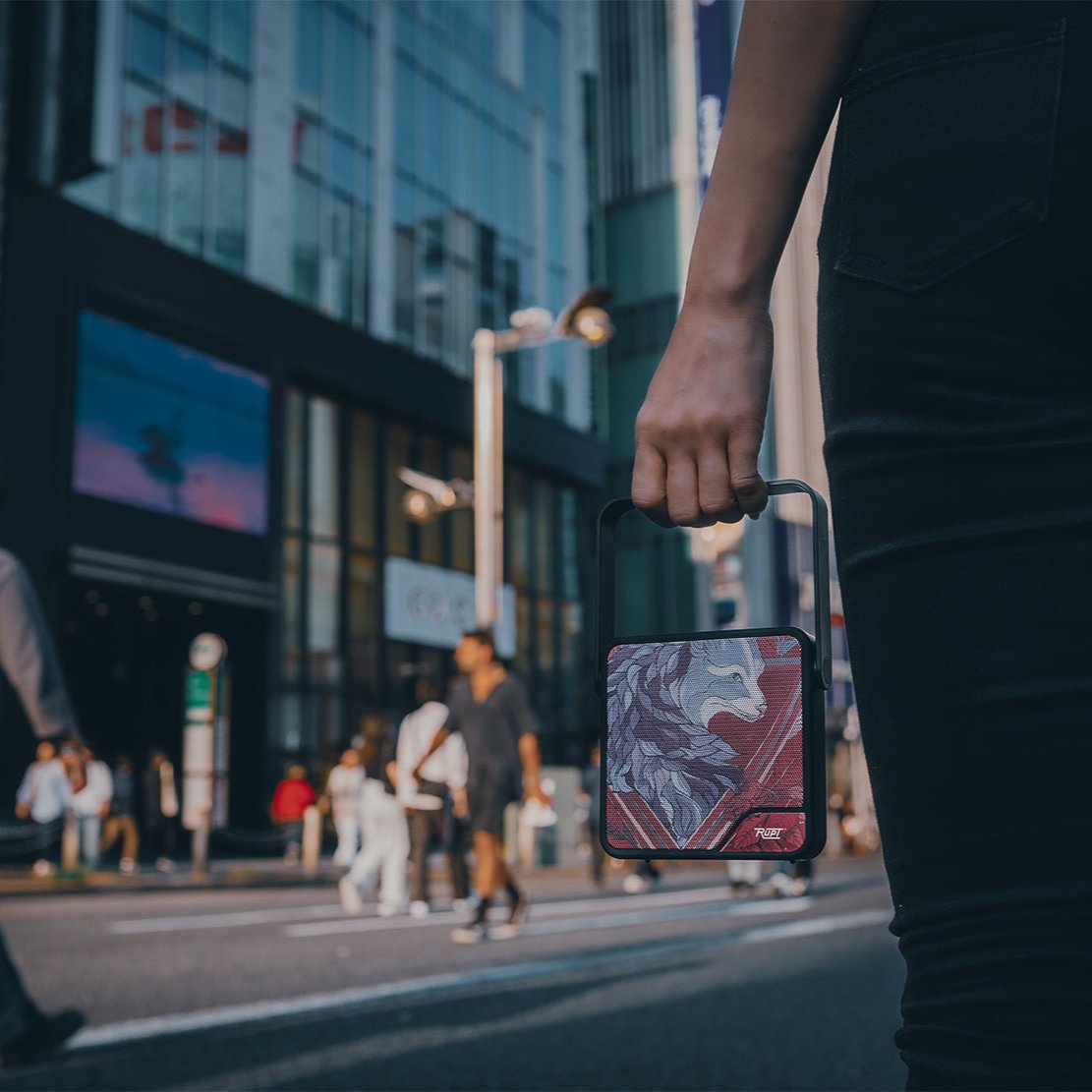
Rupt’s product lineup proves that recycled materials can deliver premium performance and modern design. From bags and drinkware to tech accessories and everyday essentials, Rupt uses recycled ABS plastic, recycled polyester, and stainless steel to create products that feel elevated, durable, and intentional.
These are items people want to keep, use, and carry daily. That is what makes them effective as promotional tools.
Smart Swag Is Functional and Purpose Driven

In 2026, the most successful branded merchandise will be useful first and branded second. Smart swag solves a real need, whether that is staying powered, organized, hydrated, or mobile.
Rupt focuses on products that fit seamlessly into modern life. Utility backpacks, tech accessories, drinkware, and travel essentials are all designed with longevity in mind. When sustainability meets everyday functionality, brands benefit from extended visibility and stronger engagement.
A reusable, recycled product that gets used every day has far more impact than something disposable that gets used once.
Sustainability That Goes Beyond the Product

What truly sets Rupt apart is that sustainability is not limited to materials alone. It is built into the entire process.
From sourcing and manufacturing to packaging and logistics, Rupt tracks and offsets carbon emissions to ensure products are carbon neutral. Packaging is designed with sustainability in mind, and efficiency is prioritized at every step.
For distributors, this means confidence. You are not just offering a recycled product. You are offering a fully considered sustainability story that clients can stand behind.
Why 2026 Is the Turning Point

The shift toward sustainable swag has been building for years, but 2026 is when it becomes expected. Budgets are being allocated with sustainability in mind. Brand guidelines are evolving. End users are asking smarter questions.
Distributors who are ready with solutions will lead the conversation rather than react to it.
By partnering with a supplier like Rupt, distributors can offer innovative, eco-conscious products that align with modern brand values while still delivering strong margins and standout design.
The Future of Promo Is Smart and Sustainable
Smart, sustainable swag is not about doing less. It is about doing better.
In 2026, promotional products will be measured by their impact, their usefulness, and their environmental responsibility. Rupt is leading that charge with products made from recycled materials, carbon-neutral processes, and a clear vision for the future of promo.
For brands that want their merchandise to mean something, and for distributors who want to stay ahead of the curve, the path forward is clear. Sustainable swag is no longer the future. It is the standard.
Share:
2025 in Review: Rupt’s Top Product Moments
What’s New at Rupt: PPAI Sneak Peek