What does carbon offsetting mean?

Carbon offsetting does not mean emissions never happened. It means supporting an environmental project designed to reduce emissions or protect an equivalent amount of carbon from being released into the atmosphere.

In this case, Rupt helps finance forest conservation.

Trees naturally remove carbon dioxide from the atmosphere as they grow. That carbon is stored throughout the forest in trunks, branches, roots, and soil. When forests are cleared or heavily harvested, their ability to continue capturing carbon is lost, and some of the carbon they have already stored can be released.

Protecting existing forests keeps that stored carbon in place and allows the trees to continue removing carbon dioxide from the atmosphere.

Offsetting also works alongside Rupt’s broader efforts to reduce environmental impact through recycled materials, Second Life Packaging, and production closer to the final destination.


How it works

Additional

Does the project have a net additional climate benefit? Emissions reductions are calculated based on the difference between baseline, project, and leakage emissions, and each credit represents at least one metric ton of carbon.

Conservative

Is the climate benefit based on sound, conservative claims? We assess baseline accounting, project boundaries, and leakage emissions to confirm the numbers hold up.

Durable

Is the climate benefit long-lasting? We track ongoing monitoring and characterize fire and other natural risks to the project.

Beyond Carbon

Does the project deliver benefits beyond carbon, like social impact, ecological impact, and third-party certifications?

PROTECTING WHAT CANNOT BE REPLACED

Sustainable cities and communities

Acquiring properties for the King County Parks system, providing jobs, youth training, education, and recreational access.

Climate action

Protecting high conservation value lands and securing a regional trail network within 30 years.

Clean water and sanitation

Preserving habitats for 2.25 million residents and helping recover threatened salmon and orca populations.

Forest Protection

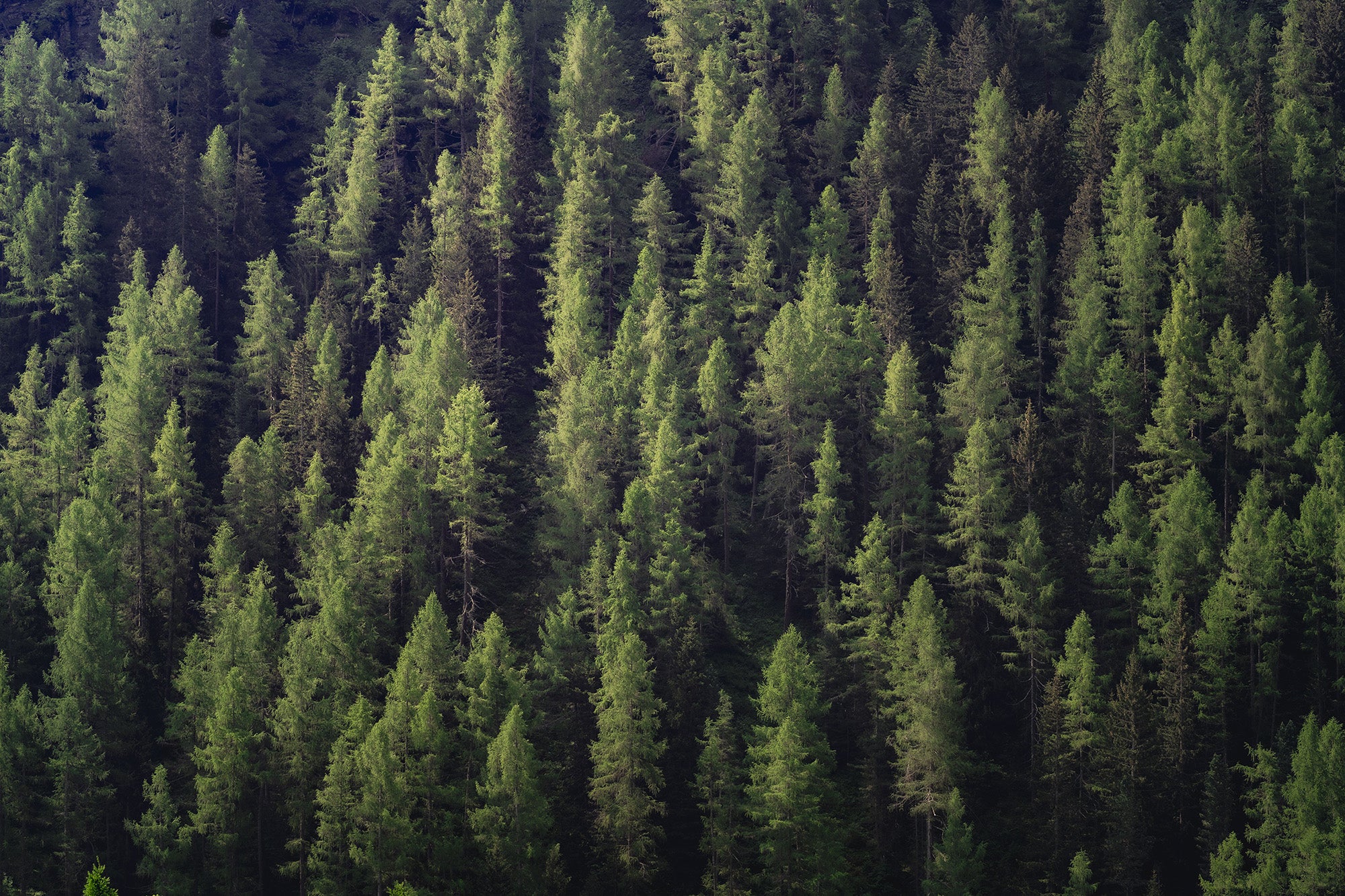
Located near Seattle, King County is home to more than 2.23 million people and temperate rainforests containing some of the largest trees in the world. As population growth and development push farther into rural forestland, these ecosystems and the benefits they provide are increasingly at risk.

Through the King County Forest Carbon Program, carbon financing helps permanently protect threatened forests before they are lost to development or commercial timber harvest. This work reduces net emissions while preserving biodiversity, protecting air and water quality, connecting wildlife habitats, and keeping natural spaces open for public use.

Western Red-Cedar

Native to the West Coast, the western red-cedar can grow up to 300 feet tall and live for as long as 1,000 years. It is also one of the most culturally significant tree species for Tribal Nations throughout the Pacific Northwest, with deep importance across building, art, ceremony, medicine, and daily life.

The King County Forest Carbon Program protects intact forests where western red-cedar is already established. In areas with limited tree diversity, native cedars are also planted to strengthen the ecosystem and create healthier, more resilient forests for generations to come.

Salmon

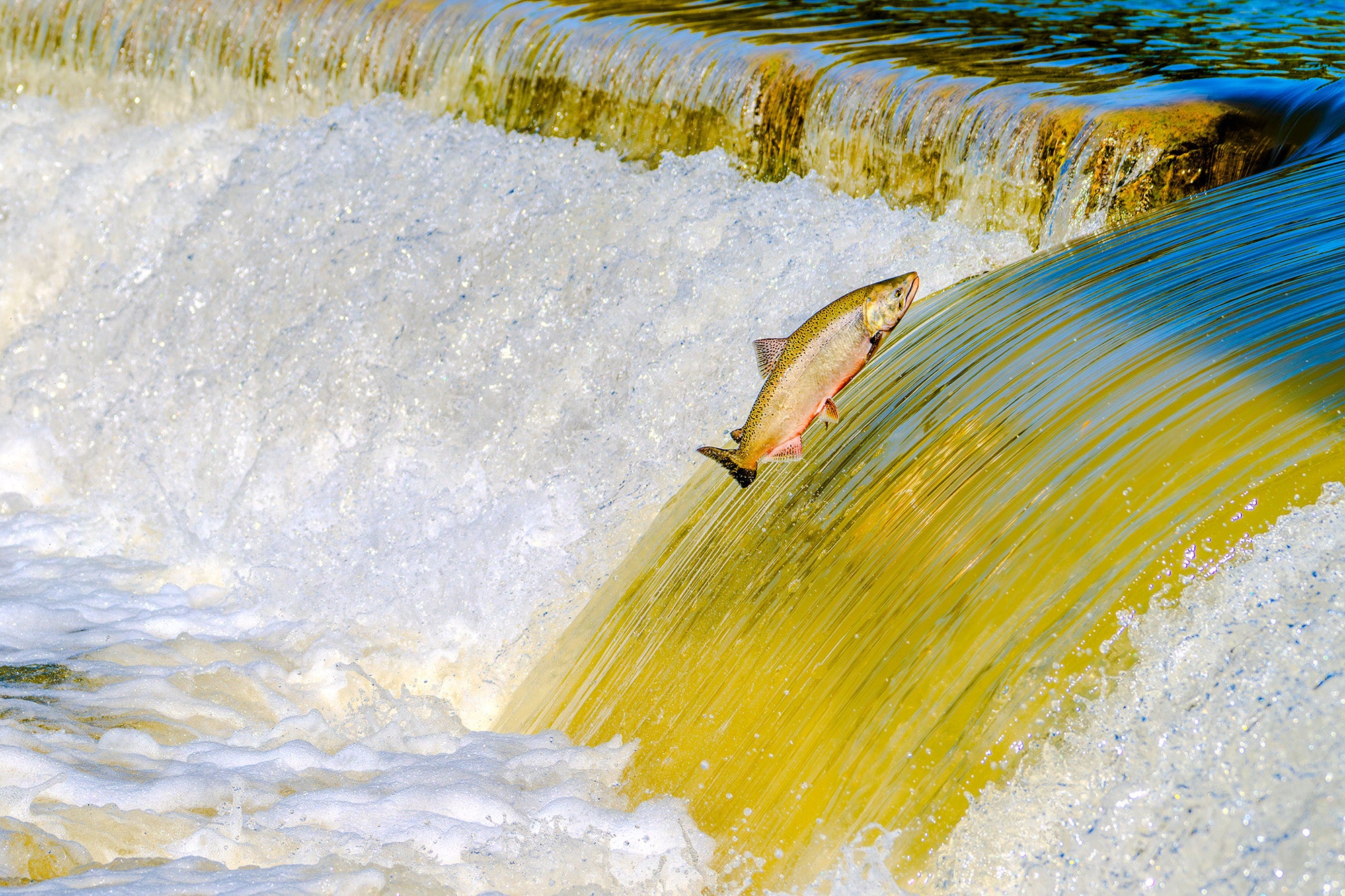
Salmon have supported Indigenous communities and shaped the Puget Sound ecosystem for thousands of years. Today, habitat loss, damaged waterways, disappearing forest cover, and overfishing have contributed to significant population declines across the region.

By protecting forestland surrounding streams and watersheds, the King County Forest Carbon Program helps preserve the cold, clean water salmon need to survive. Forests provide shade that keeps stream temperatures lower while supporting the water quality, water flow, and habitats salmon depend on throughout their life cycle. Protecting the forest also protects their path home.

Documents

Monitoring Report, 2019-2020
Project Description Document
Verification Report, 2019-2020
Verification Report, 2015-2018
Validation Report
Monitoring Report, 2015-2018