

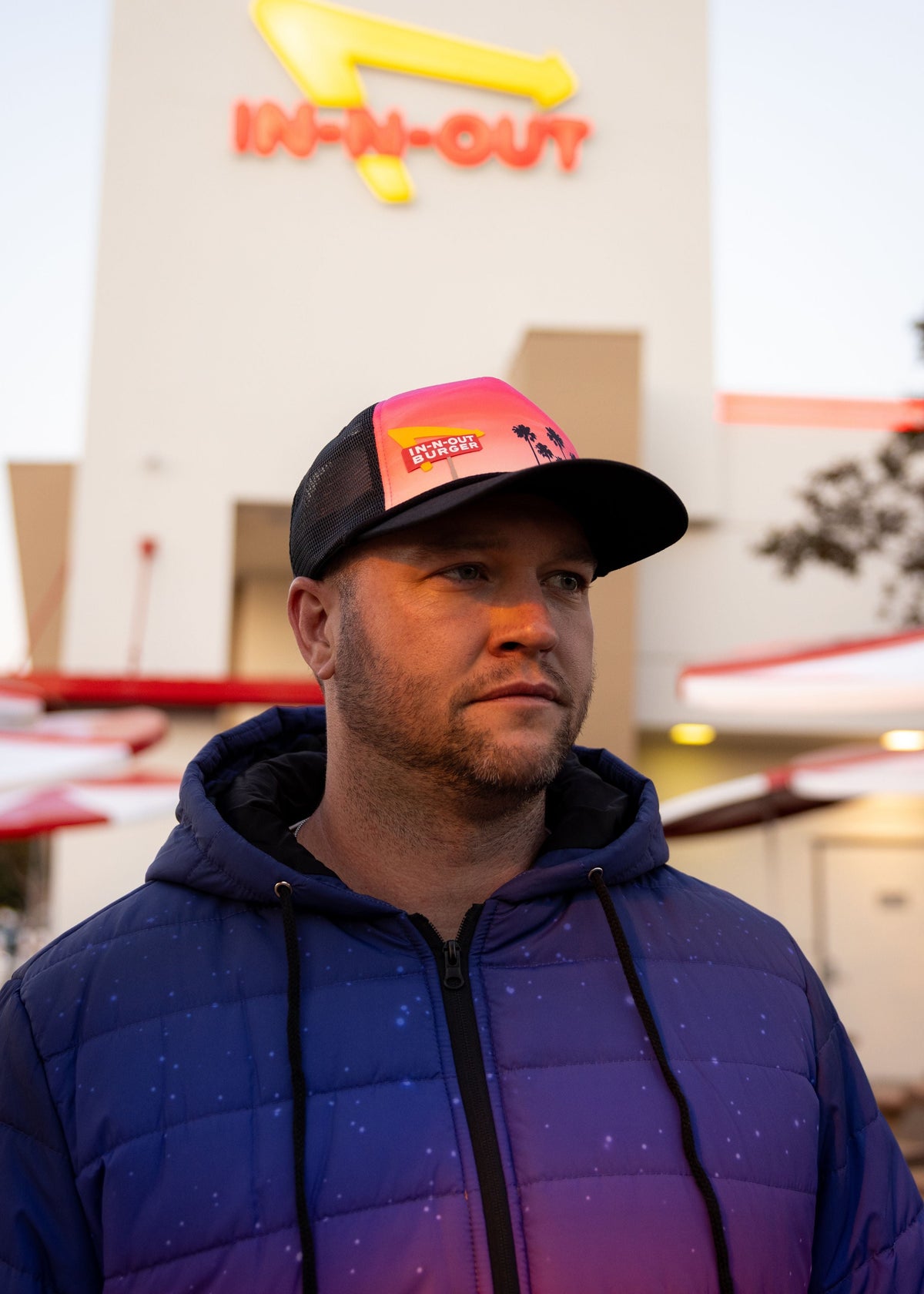
A great apparel collection isn't just a group of products with the same logo. It's a cohesive lineup where every piece feels connected, every detail has a purpose and the whole collection tells a story.
Whether you're building for a retail store, launching a brand, creating a team collection or putting together custom kits, the process starts long before you choose a garment. With Rupt's 1-piece minimums, you don't need a massive order to bring a fully custom idea to life. Start with one piece, build a small collection or scale into a complete apparel program.
Full customization allows you to build the collection around your idea, from the products and colors to the fabrics, trims and smallest details.
1. Start With the Big Idea

Before choosing products, figure out what the collection is supposed to say.
Is it bold and graphic? Minimal and elevated? Outdoor-inspired? Sporty? Streetwear? Seasonal? Your creative direction should influence everything that follows, from silhouettes and materials to colors and decoration.
For retail, think about what customers would actually want to pick up and wear. For companies and events, think about how apparel can work together as part of a complete kit.
And because Rupt offers 1-piece minimums, your big idea doesn't have to start with a big quantity. You have the flexibility to create a one-off piece, experiment with a concept or build out a larger collection.
2. Build Your Product Mix

Start with the essentials, then add statement pieces that give the collection personality. Your lineup might include:
You don't need every category, and you don't need to commit to huge quantities of each. Rupt's 1-piece minimums make it possible to build the assortment that actually makes sense for your project.
3. Go Fully Custom

This is where your collection starts to feel like yours.
Full custom apparel goes beyond putting a logo on an existing garment. Customize fabrics, colors, panels, silhouettes, trims, labels, patches, zippers, drawcords, stitching and more.
Want a custom jacket with contrast panels and your own labels? Build it. Want a hat with custom materials and decoration? Build it.
4. Create a Cohesive Color and Decoration System

Color is one of the easiest ways to make a collection feel connected. Choose a core palette, then decide where you want to introduce contrast or statement colors.
The same goes for decoration. Mix embroidery, patches, appliqué, chenille, felt and screen printing to create different textures and visual effects. Explore sleeves, backs, hoods, cuffs, pockets and labels instead of putting the same logo in the same spot every time.
5. Mix Staples With Statement Pieces

Every collection needs balance.
Your staples are the pieces people can wear constantly, while statement pieces grab attention. A classic tee can sit alongside a fully custom jacket, oversized hoodie or unique cut-and-sew vest. Together, they create a collection that feels more like a wardrobe than a pile of branded apparel.
Rupt's 1-piece minimums give you room to mix and match without overcommitting. Order more of the everyday staples and just one or a few of the statement pieces. Build the collection around what you actually need, not around a minimum order quantity.
6. Think in Collections, Not Just Products

A strong apparel program can extend beyond individual garments.
Pair apparel with bags, drinkware, tech or accessories to create custom kits built around a specific experience. A retail launch might include a signature jacket, tee and hat. A company kit could combine custom apparel with a backpack and everyday essentials.
And with a one-piece minimum, you can start with a single custom piece, test an idea or create a one-off before scaling into a larger collection.
7. Make the Details Count

The little things can completely change how a garment feels.
Custom zipper pulls. Interior labels. Unique drawcords. Unexpected lining. Embroidered details. Custom patches. Contrast stitching.
Don't just ask, “Where should the logo go?”
Ask, “What can we customize?”
8. Make Sure It Works Together

Before production, look at everything side by side.
Does the color palette make sense? Do the products feel like they belong together? Is there enough variety? Does the hero piece stand out? If it's for a store, does the assortment feel exciting on the rack? If it's a kit, do the products feel intentionally chosen?
The best collections feel connected without looking identical.
Build Your Collection With Rupt

At Rupt, apparel doesn't have to stop at putting a logo on an existing garment. Build from customizable staples, hats and accessories, then take it further with full custom cut-and-sew apparel.
Create one piece or build an entire retail assortment. Turn products into custom kits. Customize the fabrics, colors, construction, decoration and details.
Start with the idea. Build the lineup. Customize everything. Then make something people actually want to wear.
Share:
Full Custom Jackets: Build Outerwear From the Ground Up
The Rupt Best Sellers You’ll Want to Know About